Oakland County Animal Control and Pet Adoption Center, according to reports published by the Michigan Department of Agriculture and Rural Development, saves more animals than any other municipal shelter in the state of Michigan. We are, and remain, partners in animal welfare alongside them.
The Michigan Humane Society, however, strongly opposes their stance on community cats.
Oakland County euthanizes feral cats and those not selected for adoption citing animal welfare and public safety concerns. MHS believes that community cat programs are viable alternatives to euthanasia.
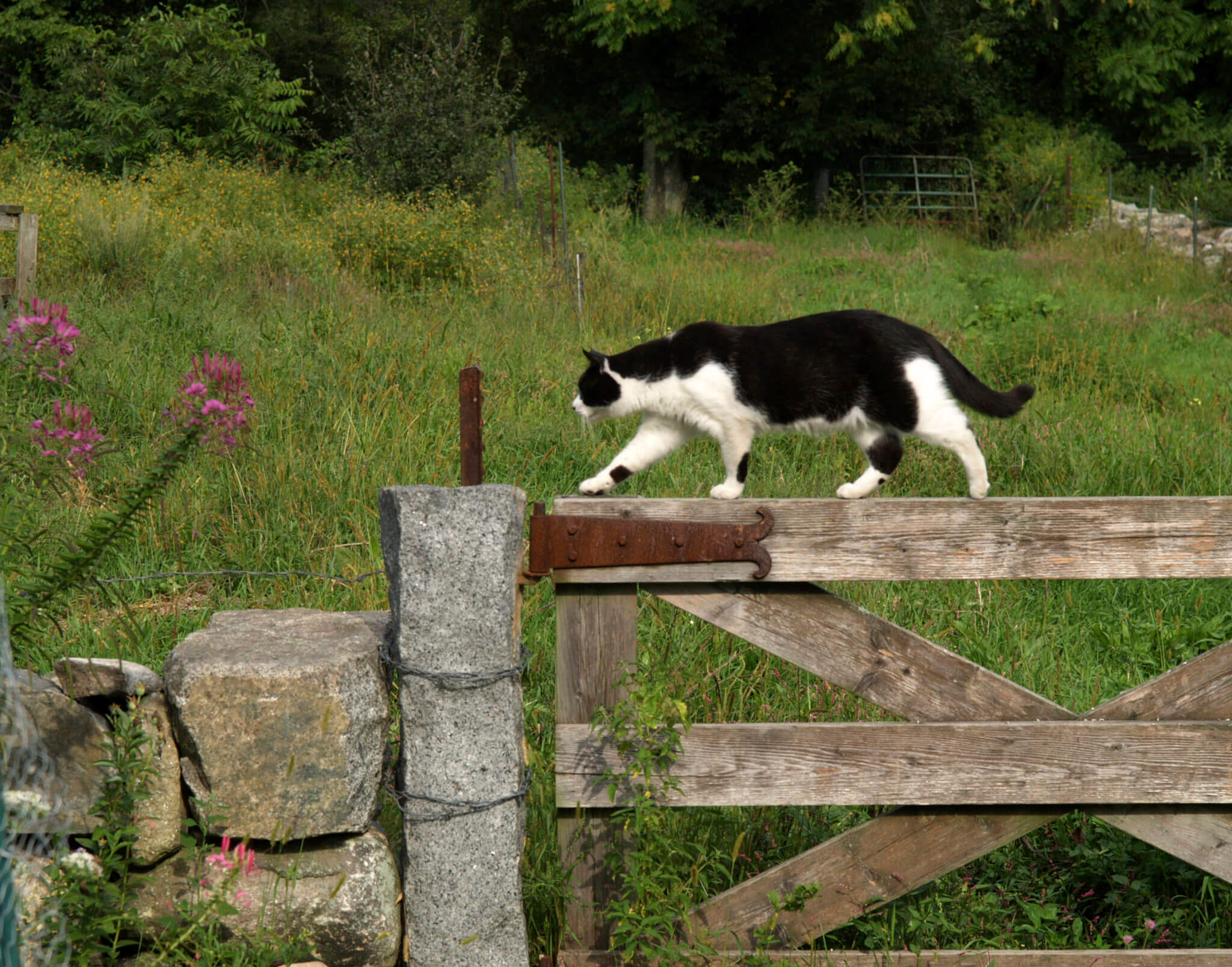
Adoption should always be the preferred outcome for every animal, but that is not always a possibility. Sometimes a healthy cat is unsocialized or otherwise temperamentally unsuitable for a home, and in those instances, research has shown that death need not be the only possible outcome. Community cat programs are sustainable, effective, and a lifesaving outcome when adoption isn’t appropriate.
Historically, it was thought that community cat programs would spread disease, lead to increased suffering, and were ineffective at controlling stray cat populations. This simply is not true. Animal welfare is an ever evolving field and our practices must evolve with it. MHS believes community cat programs are both humane and effective and should be a part of any progressive animal shelter’s programs. We are here to save lives, and community cat programs do just that.
The outdated method of euthanizing all feral and unsocial cats is ineffective. Unless the environment is changed, these outdated programs simply create a temporary void in which other community cats, typically unsterilized and unvaccinated, will soon fill. It does nothing to reduce population and does nothing to create healthier populations.
No more harm occurs in a community when a sterilized and vaccinated cat is released to where she came from. In fact, if she was owned, she has a better chance of finding her way home through a return-to-field program rather than at an animal shelter where, nationally, the reclaim rate for cats hovers around 2%. In addition, cats as part of a community cat program are vaccinated and sterilized therefore creating a healthier population and one incapable of reproducing.